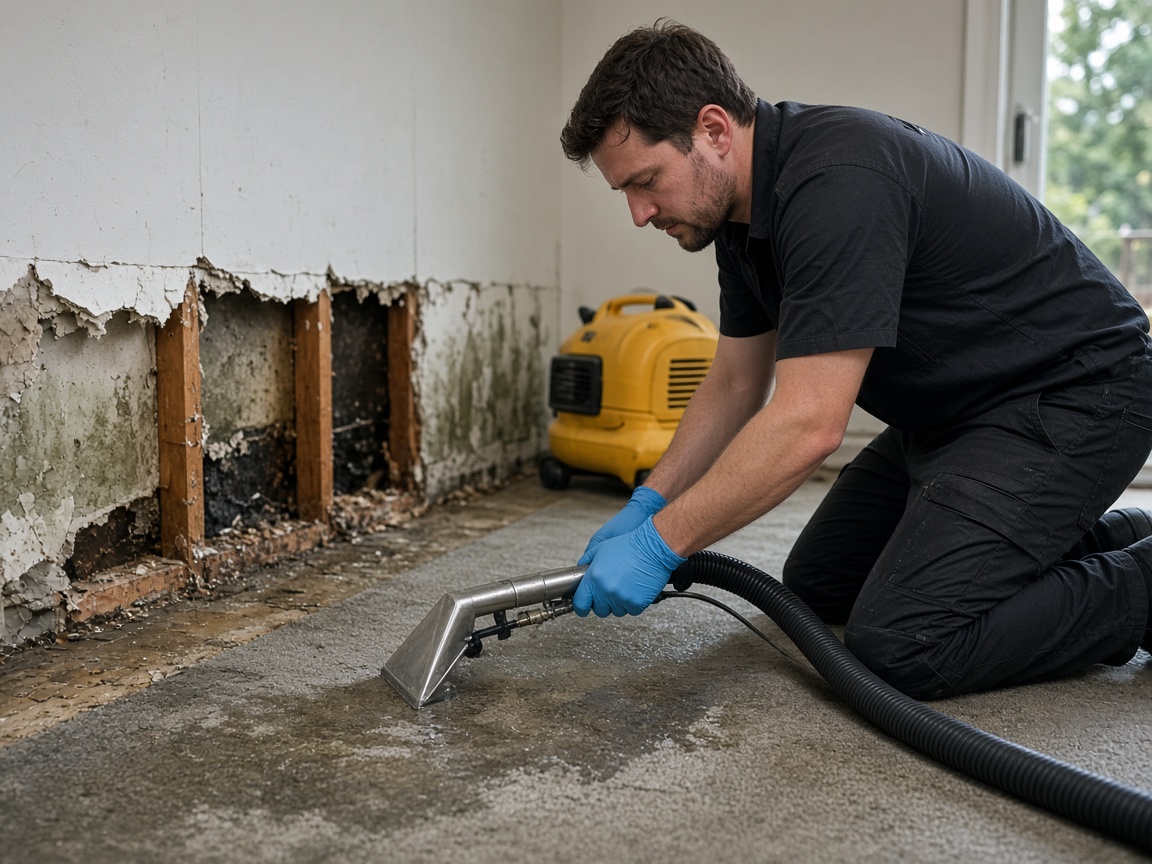
Serving homes in the 50. Fort Worth section of Irving means working with older single-family houses on smaller lots that sit close to drainage ditches feeding into the Trinity River basin. Summer humidity and sudden downpours often push water under slab foundations or into crawl spaces along streets like Luke and nearby connectors. Our crew reaches these blocks quickly from our 1130 Luke St base, bringing extraction equipment sized for the tight driveways common here.
Winter storms still bring enough rain to test older gutters and grading in this pocket of Irving. We see repeat issues where lots slope toward shared fences or where mature trees drop debris into French drains. Because 50. Fort Worth sits between the Las Colinas corridor and the Grand Prairie line, traffic on nearby arterials can slow response, so we stage gear locally and move on foot when needed to reach backyards without delay.
Dallas County soil in this zone holds moisture longer than upland areas, so drying times stretch after any flood event. We focus on hidden wall cavities in the 1960s-1970s brick homes that dominate 50. Fort Worth streets, using moisture meters to map damage before drywall removal begins.
Around 50. Fort Worth
We regularly work near:
- 📍Luke Street
- 📍Rock Island Road
- 📍Pioneer Park
- 📍Lamar Middle School
Water Damage Restoration in 50. Fort Worth — Local Notes
- •Tight lot lines and shared fences in 50. Fort Worth often require portable containment instead of full truck access for water extraction.
- •Older slab foundations here sit low to grade, so water from street flooding enters through brick weep holes more often than in newer Valley Ranch builds.
- •Proximity to the Trinity levees means groundwater can linger days after heavy rain, changing how we set up dehumidifiers in crawl spaces.
- •Mature oak and pecan trees along local streets drop leaves that clog yard drains, creating the small, repeated leaks we address weekly in this neighborhood.