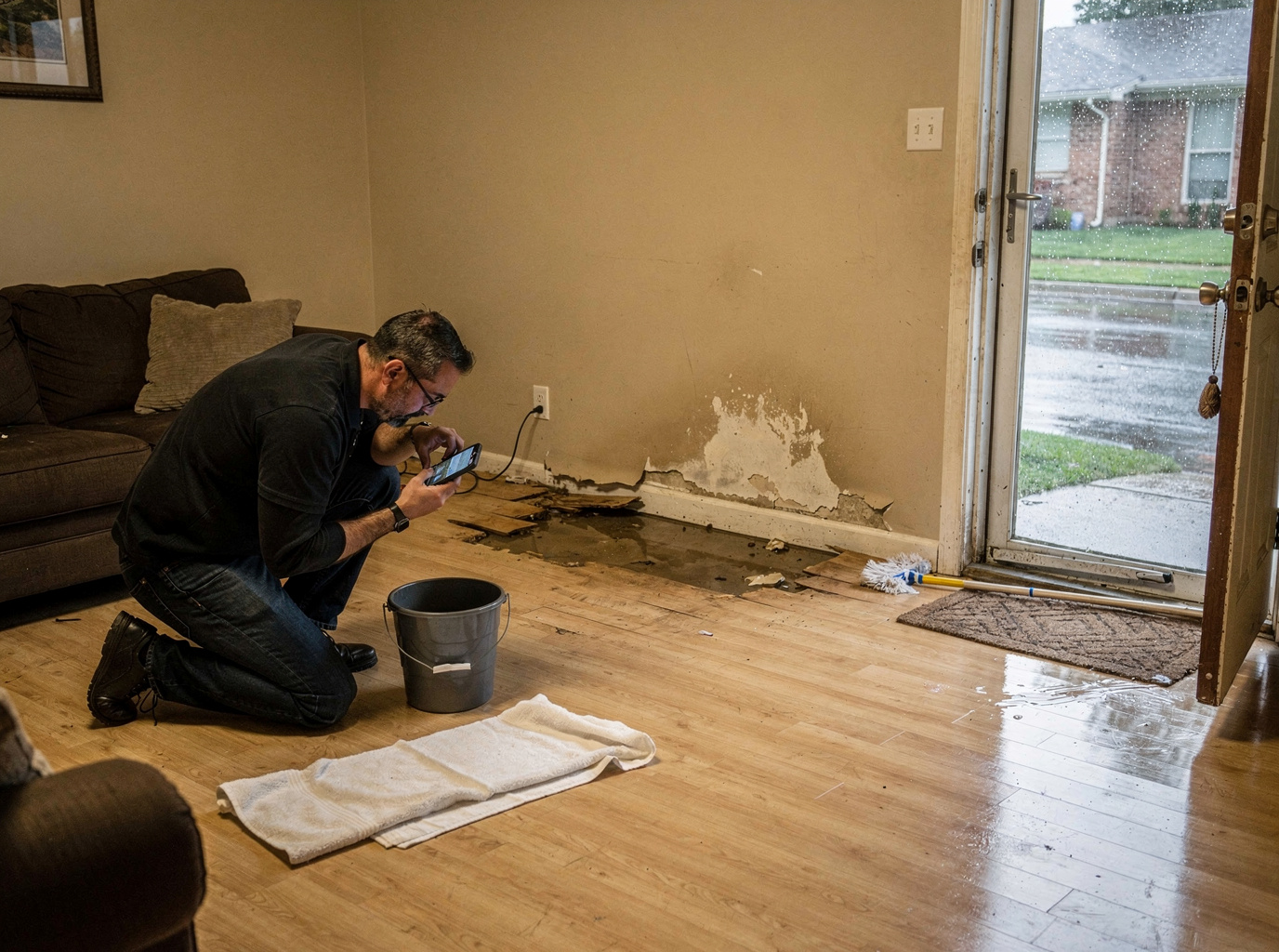
Cedar Hill homes in Irving sit on older lots with mature trees and clay-heavy soil that holds moisture after heavy rains. When pipes burst or roofs leak during the humid subtropical summers, water travels quickly into crawl spaces and slab foundations common in this pocket between Downtown Irving and Valley Ranch. Irving Water Damage Restoration pros respond from 1130 Luke St to extract standing water before it reaches neighboring properties on narrow streets with limited turnaround space.
Mild winters here still bring occasional cold snaps that freeze outdoor lines on 1970s-1980s ranch houses typical of Cedar Hill blocks. Our crews know which alleys flood first near the creek beds feeding into the Elm Fork and how to stage equipment without blocking school bus routes. We provide upfront quotes during Mon–Fri 8am–6pm and Sat 9am–2pm hours and work directly with Dallas County homeowners on Water Damage Repair that matches the exact construction methods used in these neighborhoods.
Around 21. Cedar Hill
We regularly work near:
- 📍Luke Street
- 📍Irving High School
- 📍Heritage Park
- 📍Campion Trail access point near Valley Ranch
Water Damage Restoration in 21. Cedar Hill — Local Notes
- •Clay soils around Cedar Hill retain water longer than sandy lots farther north, so drying times increase and we often pull carpet pads on the first visit to prevent hidden mold under 40-year-old slab homes.
- •Narrow driveways and mature oak roots along many Cedar Hill streets limit large truck access, requiring smaller portable extractors and hand-carry methods to reach back bedrooms without damaging landscaping.
- •Proximity to the Trinity River floodplain means Cedar Hill properties see more groundwater seepage after prolonged rains, so we check sump pits and French drains on every Water Damage Restoration call.
- •Single-story brick ranches dominate the area, allowing faster ceiling access but requiring extra care with original plaster walls that crumble once saturated.