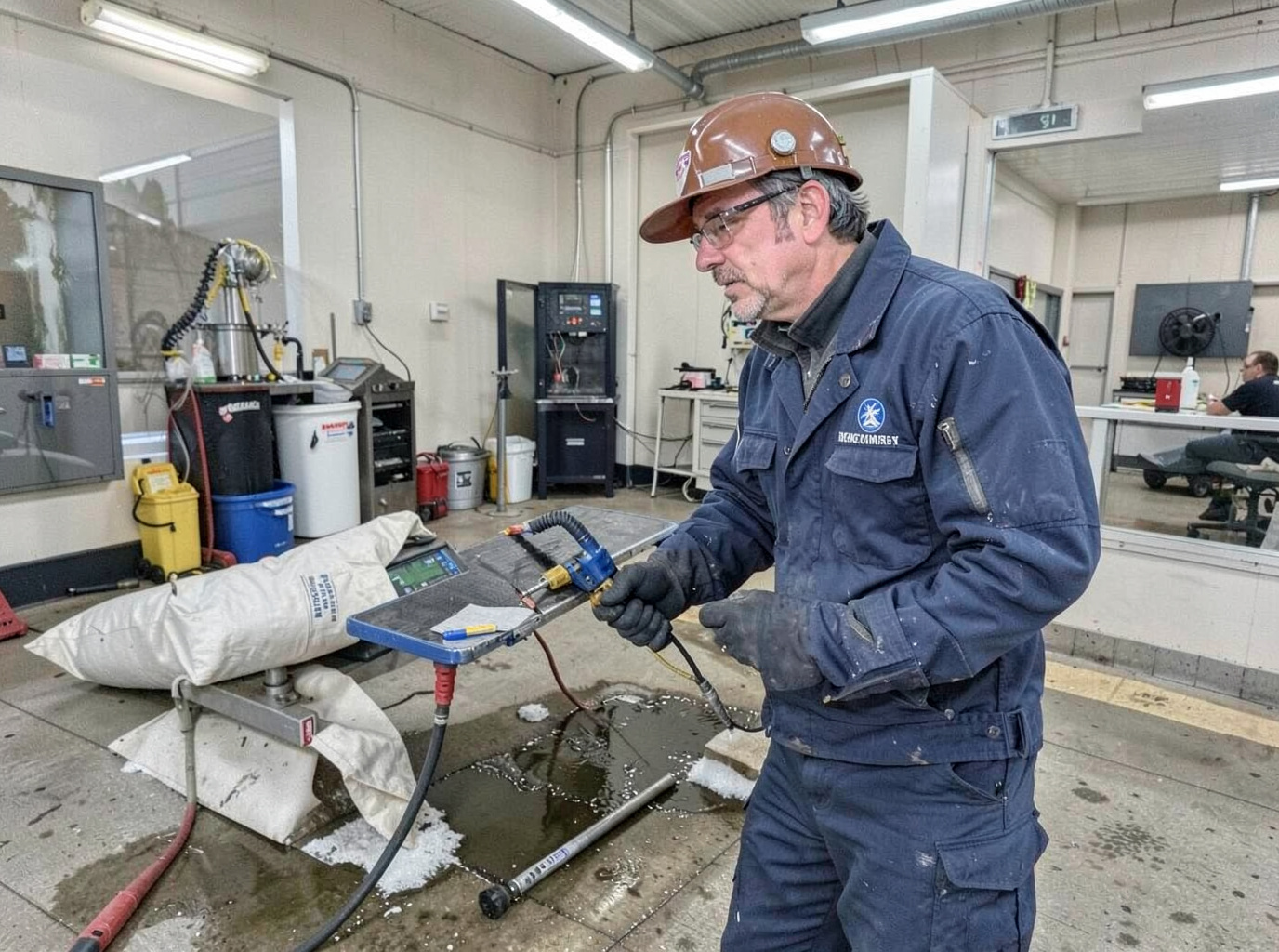
Grand Prairie sits along the southern edge of Irving with its own drainage patterns shaped by the Trinity River tributaries and flat lots that back up during heavy summer storms. Irving Water Damage Restoration pros runs crews straight down Carrier Parkway or Lake Ridge Parkway to reach slab homes built in the 1970s and 1980s that sit low to the ground. We arrive from our shop at 1130 Luke St within the posted hours and start extraction before moisture reaches the particle-board cabinets common in these neighborhoods.
The area mixes single-story ranch houses on small lots with newer infill near Grand Prairie High School. Tight side yards and rear fences mean our trucks often stage on the street and run hoses through side gates. Hot, humid days followed by mild winters keep hidden wall cavities damp longer, so we pull baseboards and use moisture meters on every job instead of guessing.
Homeowners along the I-20 frontage or near Lynn Creek Park call us after roof leaks or washing-machine overflows because they know we already work the same streets in Valley Ranch and Downtown Irving the same week.
Around 2. Grand Prairie
We regularly work near:
- 📍Carrier Parkway
- 📍Grand Prairie High School
- 📍Mountain Creek Lake
- 📍Lynn Creek Park
- 📍Lake Ridge Parkway
Water Damage Restoration in 2. Grand Prairie — Local Notes
- •Many 1970s–1980s slab homes sit inches above grade along Carrier Parkway, so water from street flooding enters under exterior doors and travels under vinyl plank flooring.
- •Tight rear yards and fenced lots force equipment staging on the street; we run extraction hoses through side gates to reach interior walls without driving on grass.
- •Proximity to Mountain Creek Lake and the Trinity River means higher groundwater after prolonged rain, pushing moisture through expansion joints in older concrete slabs.
- •Hot humid summers followed by mild winters let hidden drywall stay damp for weeks, so we always open walls at least 12 inches above the water line instead of stopping at the visible mark.